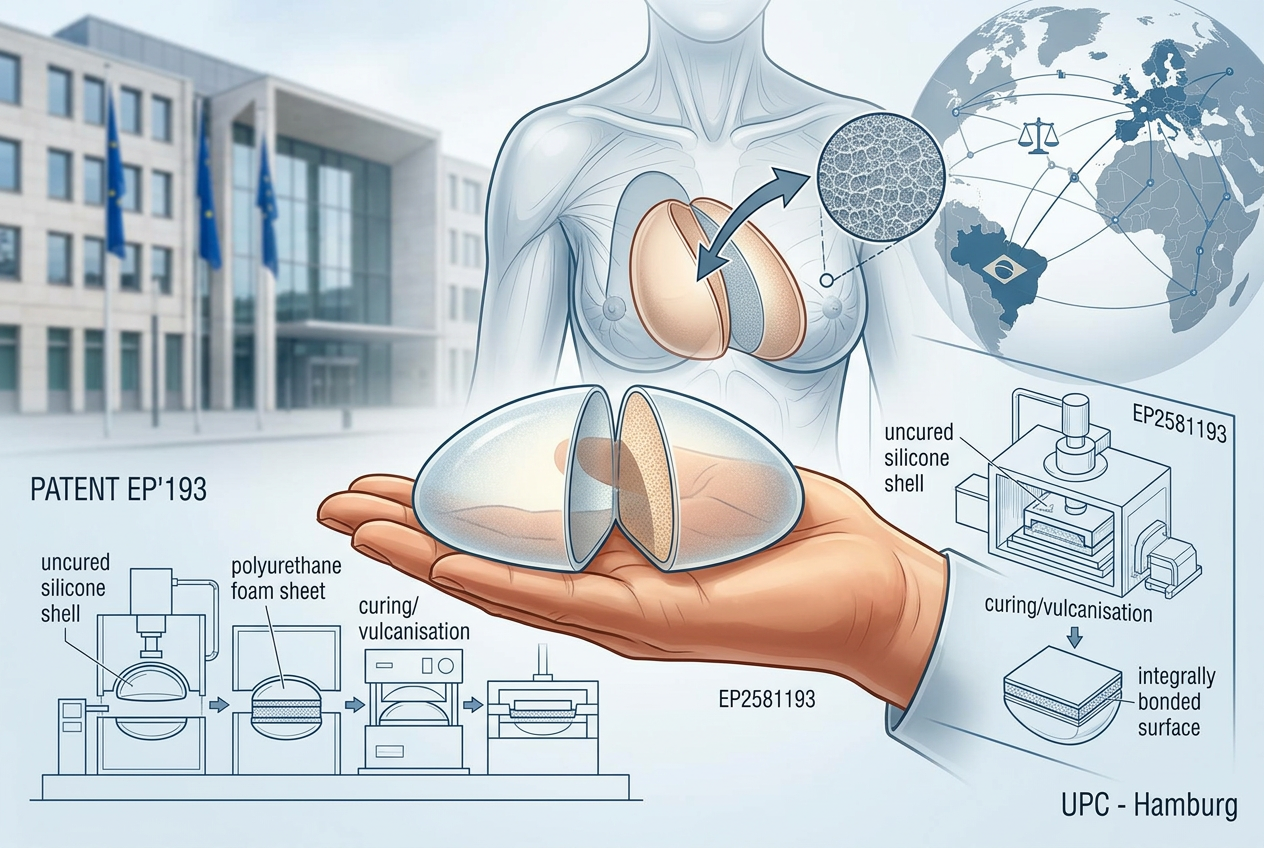
São Paulo Court of Justice reinstated an injunction in a med-tech patent dispute, granting suspensive effect to J&J’s extraordinary appeals against Scitech.
BRPTO’s 2026 patent landscape maps satellite energy and space propulsion trends, showing Brazil’s growing filings and the dominance of research institutions.
The Brazilian Court of Appeal has upheld a preliminary injunction for ZTE against Samsung, reinforcing patent exclusivity in 5G Standard Essential Patent disputes.
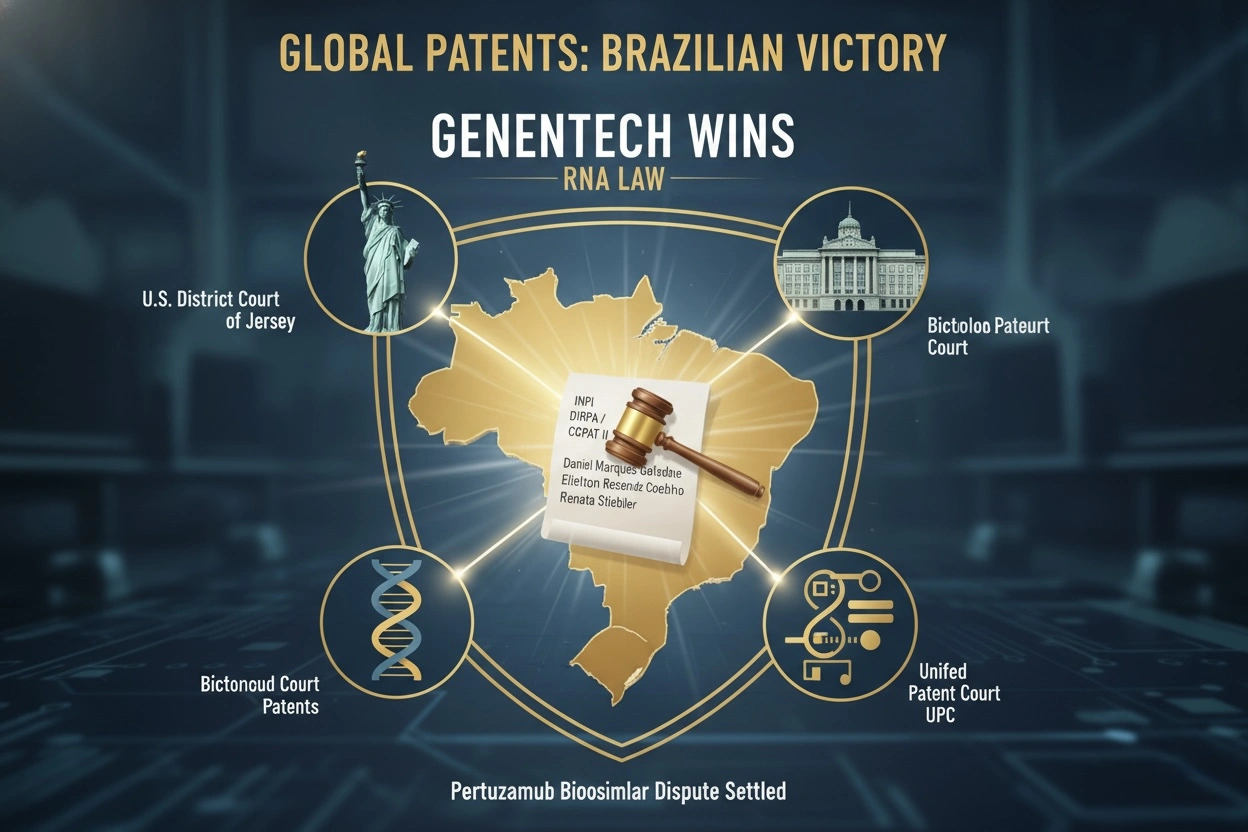
Global settlement of pertuzumab biosimilar disputes across the U.S., UPC, the Netherlands and Brazil, highlighting Brazil’s key validity win and UPC order.
This BRPTO study analyzes 6,300 patent applications to map green innovation in Brazilian agriculture, highlighting biofertilizers and international cooperation.
Recent US lawsuits against AI meeting assistants highlight legal risks regarding voice data consent, offering crucial parallels for Brazil's LGPD framework.
O artigo analisa a Lei nº 15.325/2026 e a formalização do profissional multimídia no Brasil, destacando o reconhecimento jurídico e os desafios práticos.
Brazil’s Law 15,325/2026 recognizes multimedia professionals and influencers but faces criticism for educational requirements and lack of oversight mechanisms.
Learn how the Mercosur–EU agreement may reshape Brazil’s IP landscape, strengthening enforcement and influencing patents, trademarks, designs and trade secrets.
A comprehensive outlook on the 2026 regulatory landscape for Brazil's Life Sciences sector, covering CMED pricing, Anvisa's sandbox, and clinical trials.







.webp)







.png)

