Anvisa’s new technical note recognizes biosimilar interchangeability in Brazil, reinforcing comparability, traceability and pharmacovigilance safeguards.
Evidence-based analysis shows biopharmaceutical patents are not excessive, do not create thickets, and can support timely generic competition and real innovation.
Anvisa’s new note supports biosimilar interchangeability in Brazil, aligning with global practice and reinforcing safeguards for switching and traceability.
Rob Rodrigues surveys Brazil’s patent enforcement landscape, highlighting rapid preliminary injunctions and their impact on multinational patent strategy.
Brazil's Ministry of Health issued a new methodology for valuing technology transfer in PDPs, establishing pricing benchmarks and reimbursement rules for IP.
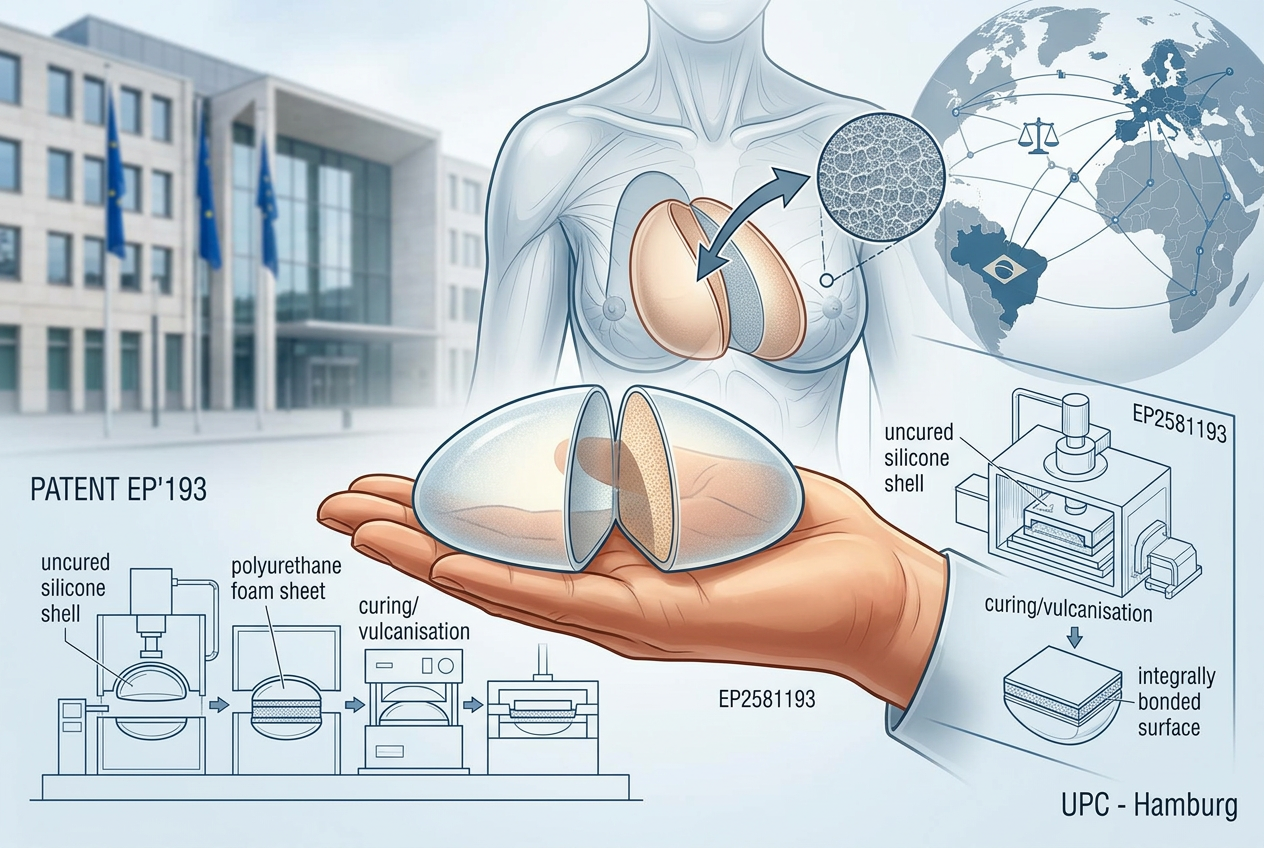
Silimed secured a Munich PI against Polytech over EP2581193, halting polyurethane-coated implant manufacture and sales in Germany amid parallel UPC action.
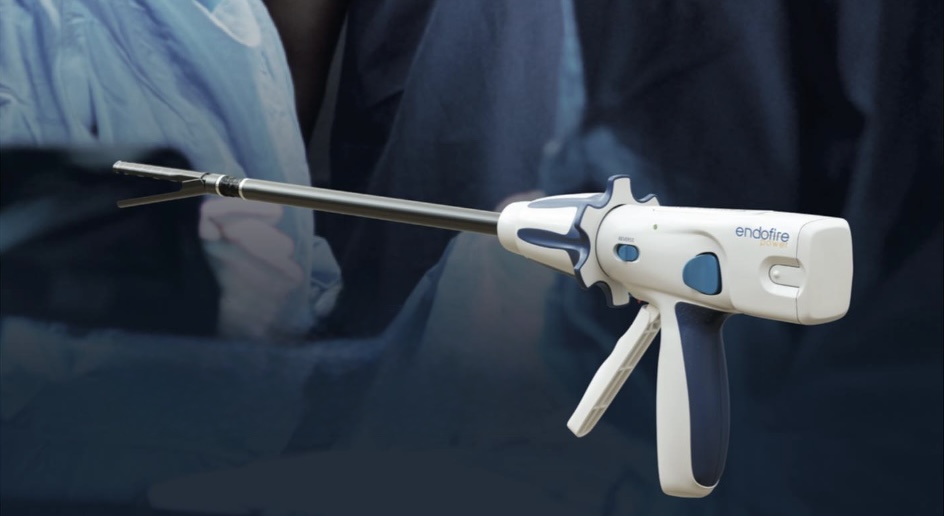
São Paulo Court of Justice reinstated an injunction in a med-tech patent dispute, granting suspensive effect to J&J’s extraordinary appeals against Scitech.
BRPTO’s 2026 patent landscape maps satellite energy and space propulsion trends, showing Brazil’s growing filings and the dominance of research institutions.
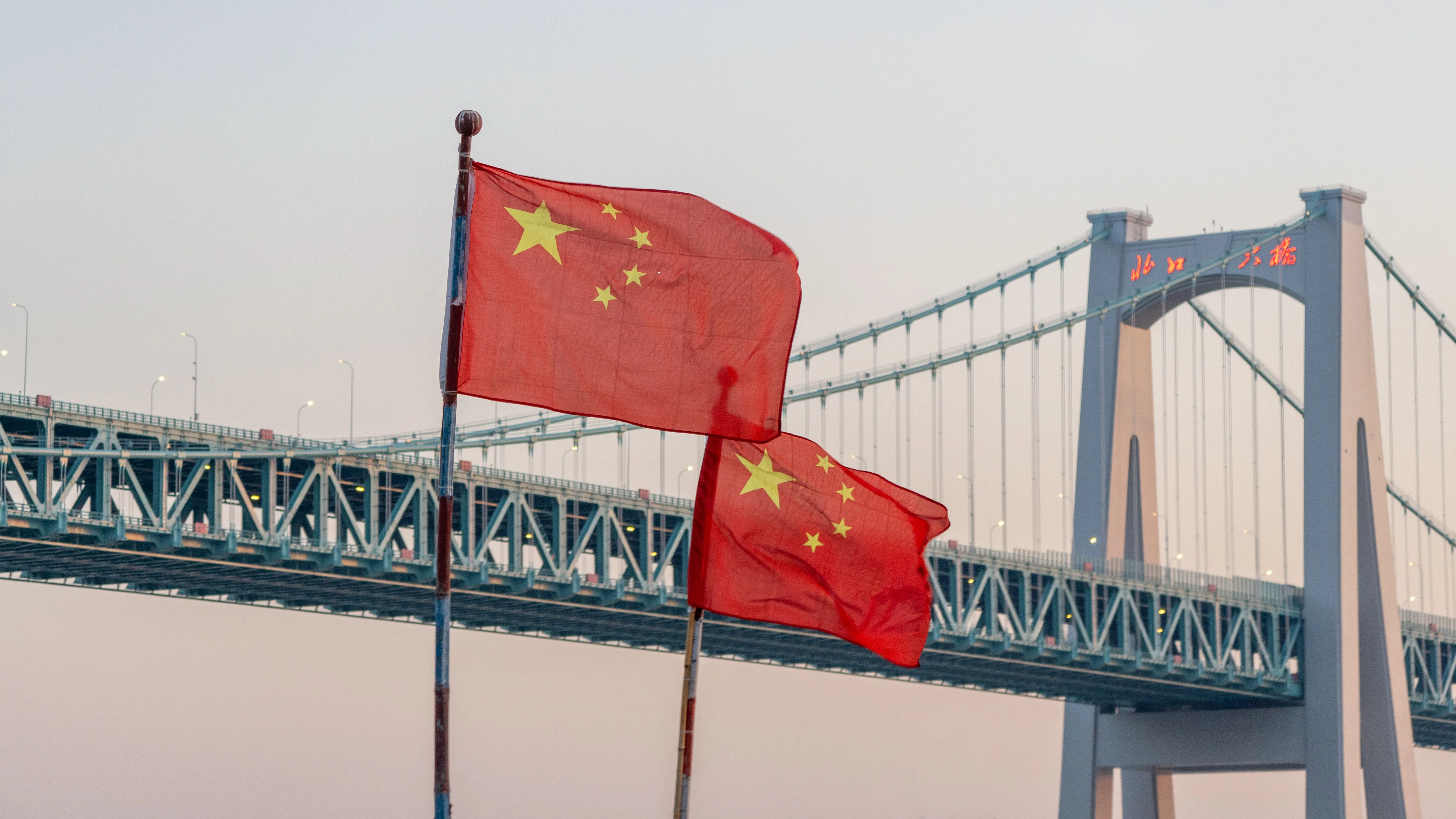
Fulbright Medical’s Shanghai Stock Exchange IPO was terminated after extensive Johnson & Johnson patent litigation, including multiple infringement suits and rising damages claims.
On-demand Global IP Spotlight briefing on Latin America covering AI, SEPs, pharmaceuticals, patent prosecution and oppositions, with takeaways for U.S. stakeholders.
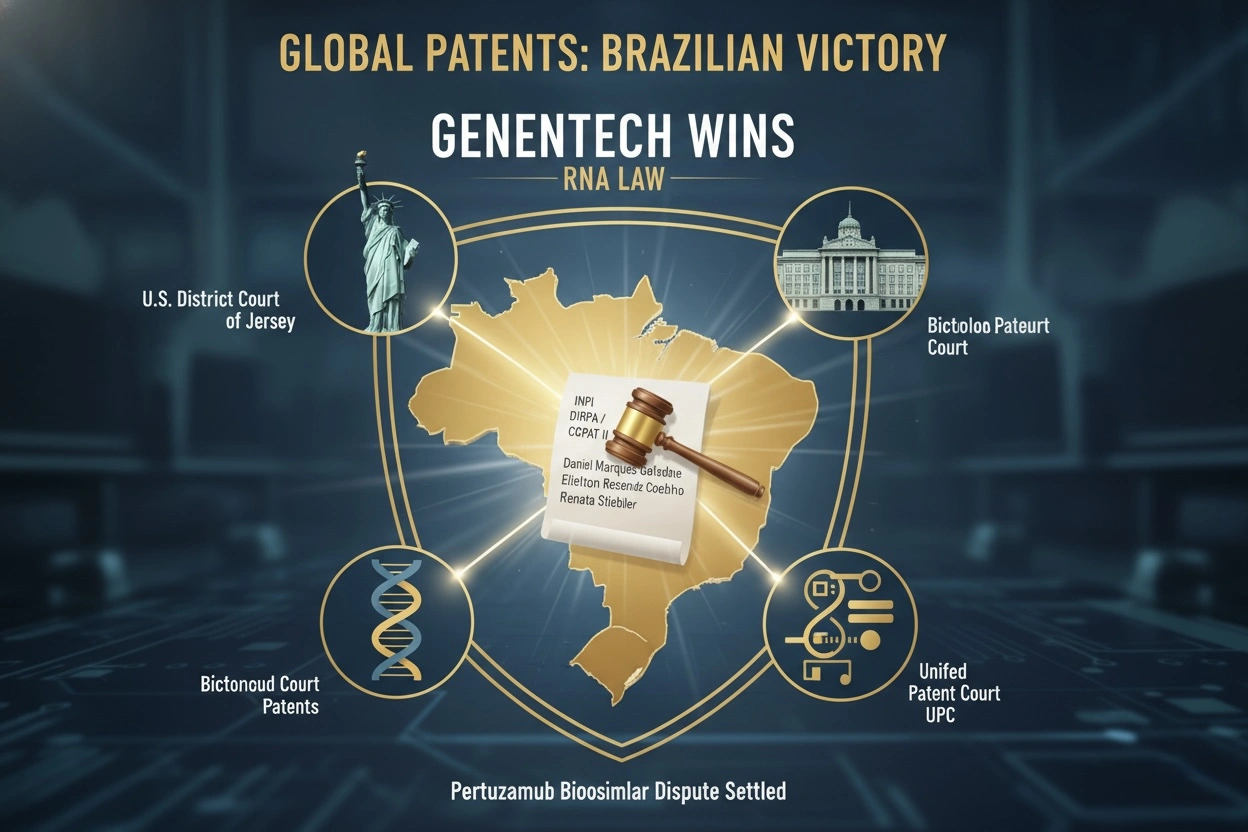
Global settlement of pertuzumab biosimilar disputes across the U.S., UPC, the Netherlands and Brazil, highlighting Brazil’s key validity win and UPC order.
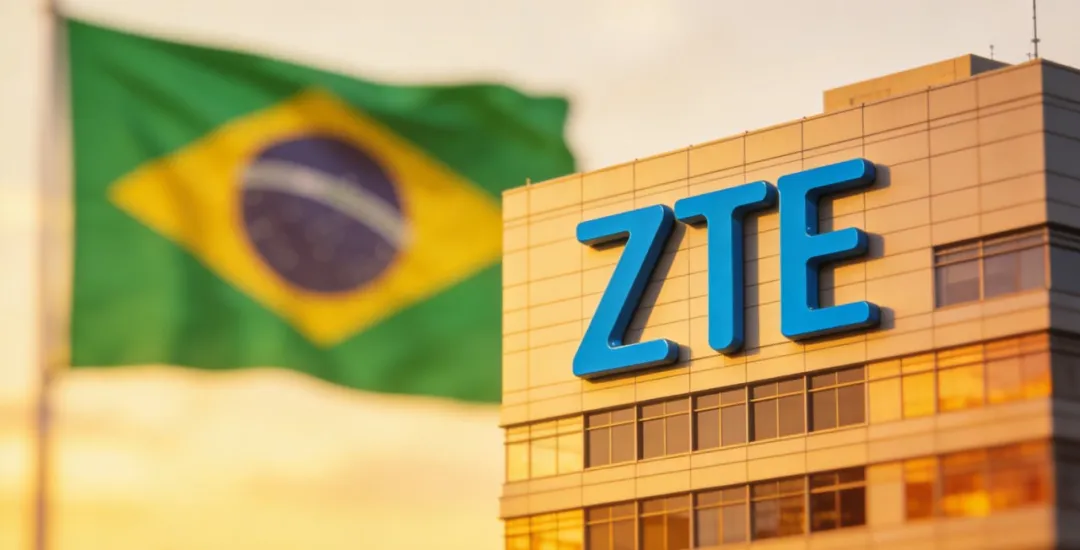
The Brazilian Court of Appeal has upheld a preliminary injunction for ZTE against Samsung, reinforcing patent exclusivity in 5G Standard Essential Patent disputes.
This BRPTO study analyzes 6,300 patent applications to map green innovation in Brazilian agriculture, highlighting biofertilizers and international cooperation.




















.png)



.webp)