BRPTO has extended to October 27 the public comment deadline on proposed Chemistry-chapter guidelines for new uses of known products, which tighten novelty/obviousness and enablement standards—requiring in vivo data at filing and limiting support to exactly tested compounds.
Brazil’s luxury market is expanding despite global softness, and a stronger IP toolkit—position marks, trade dress, copyright, border measures, and favorable court rulings—is shaping a robust anti-counterfeiting environment.
Cybersecurity’s rise as a national-security imperative revives debate on compulsory licensing, but because effective defense depends on trade secrets and operational know-how, any emergency use must be narrowly tailored to avoid exposing sensitive methods while preserving incentives for R&D and cooperation with rightsholders.
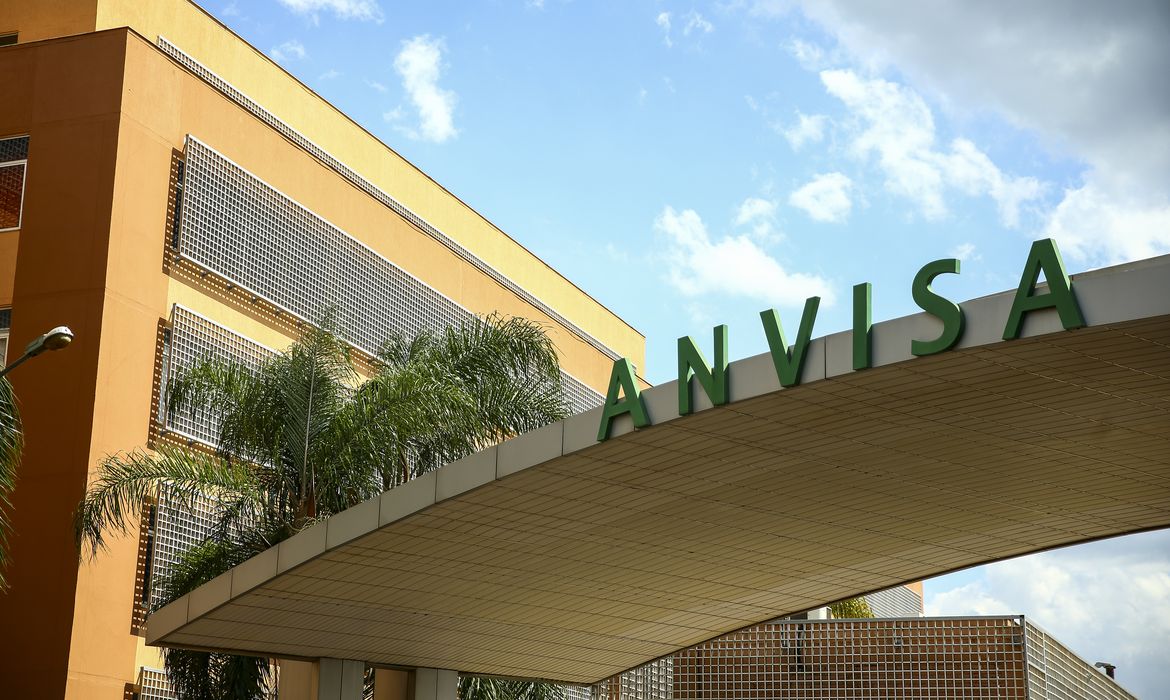
ANVISA’s new 2025–2026 Operational Tactical Plan aims to reduce marketing approval backlogs by allowing applicants to replace pending submissions before formal review and by granting priority review for GLP‑1 receptor agonists.
The scientific significance of microbial consortia, their applications in biotechnology, and the challenges of obtaining patent protection in Brazil under BRPTO regulations.
A new chapter in Brazil’s IP scene has begun with the launch of RNA Law, an elite boutique firm dedicated to IP litigation, prosecution, and transactions.
Antes da ampla adoção de computadores quânticos, há necessidade de padronização e desenvolvimento de técnicas de criptografia mais complexas para eliminar riscos à privacidade






.png)
.webp)


